Amsterdam is small, flat and walkable, but on a cold or rainy day the tram is your friend. The good news is that getting around has become genuinely simple. The old plastic chip card that confused visitors for years is on its way out, and these days you tap the same contactless bank card you would use in a shop.
Here is how the system works in 2026, what it costs, and the small mistakes that catch people out.
The network: trams, metro, buses and ferries
City transport is run by GVB. There are four things to know:
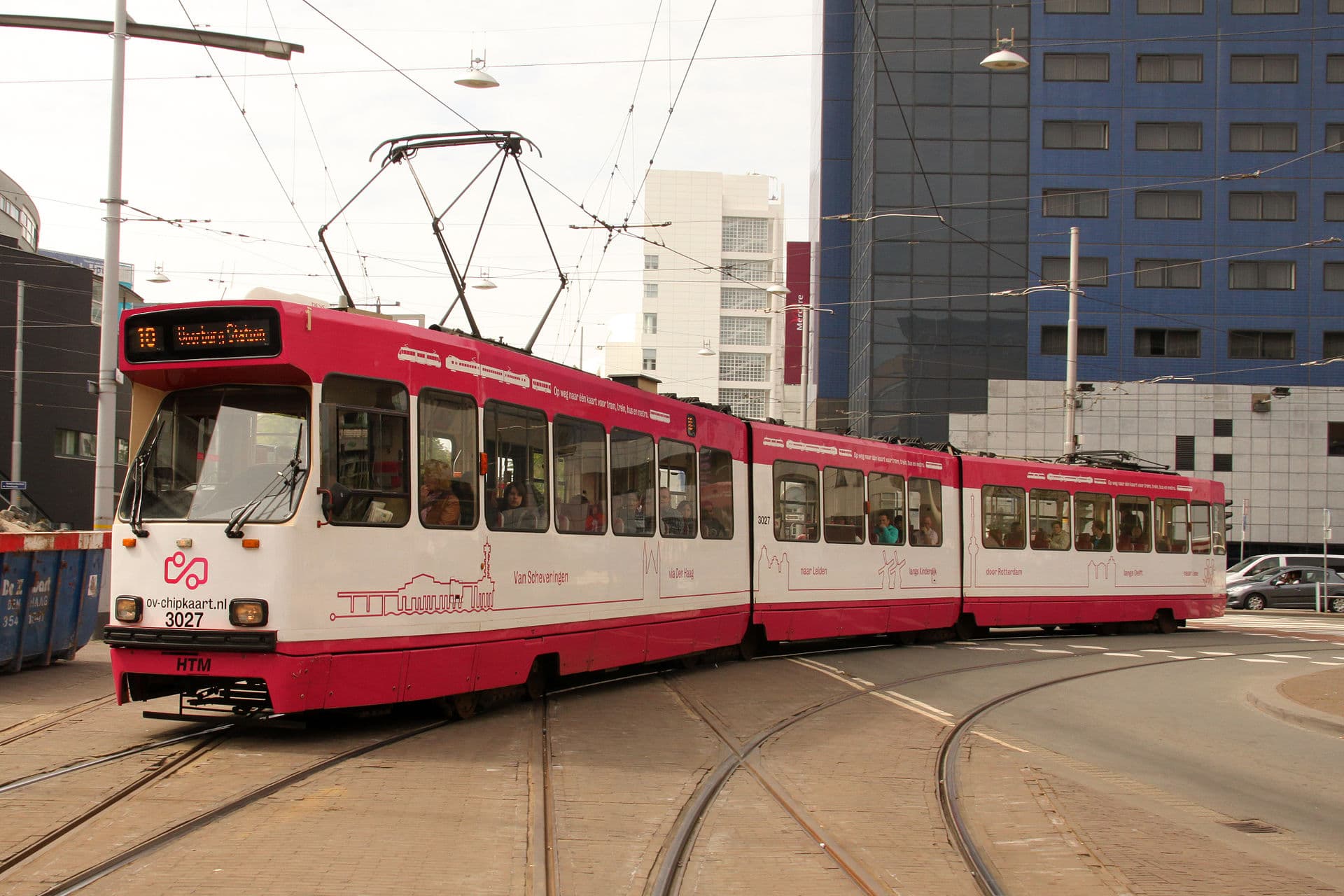
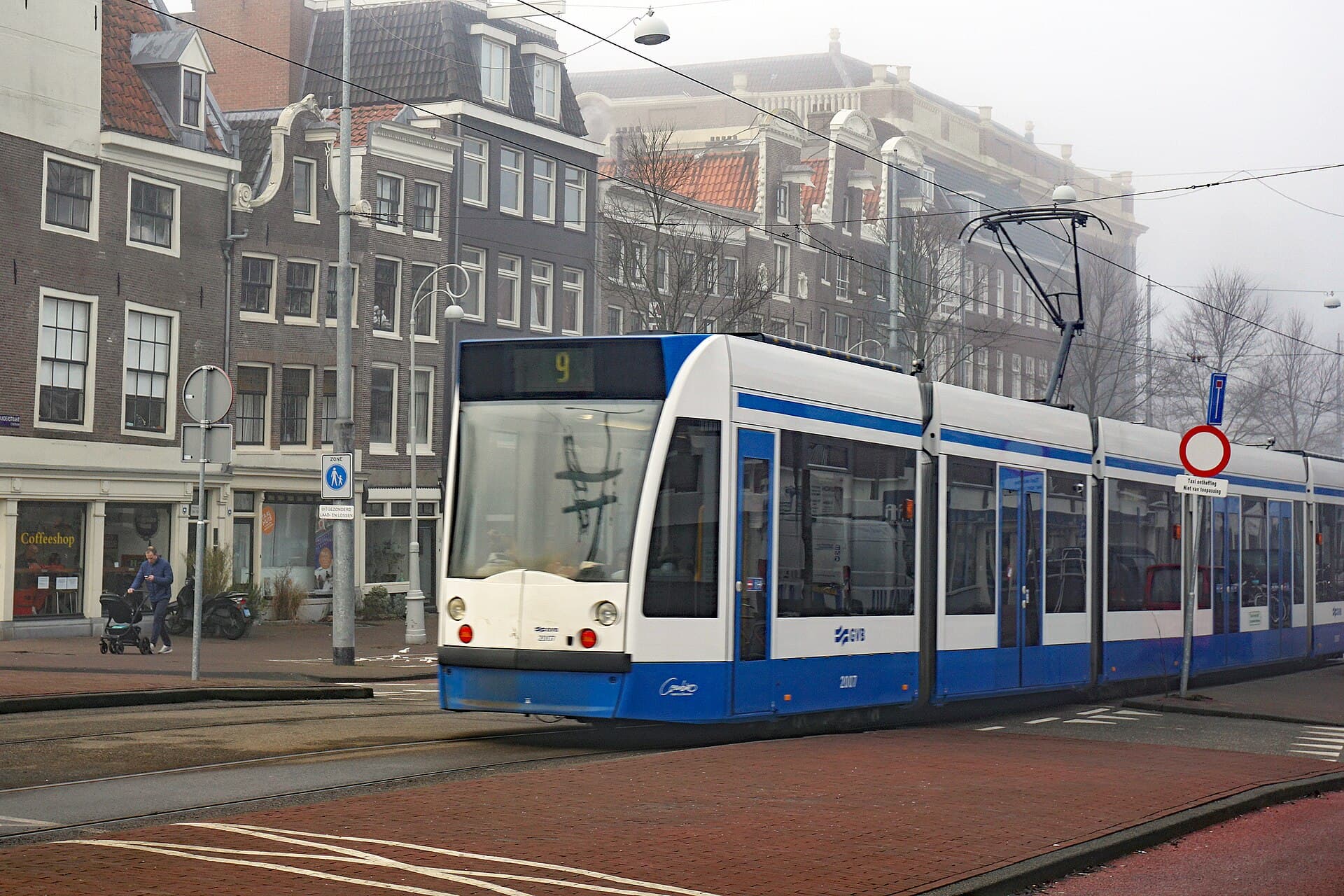
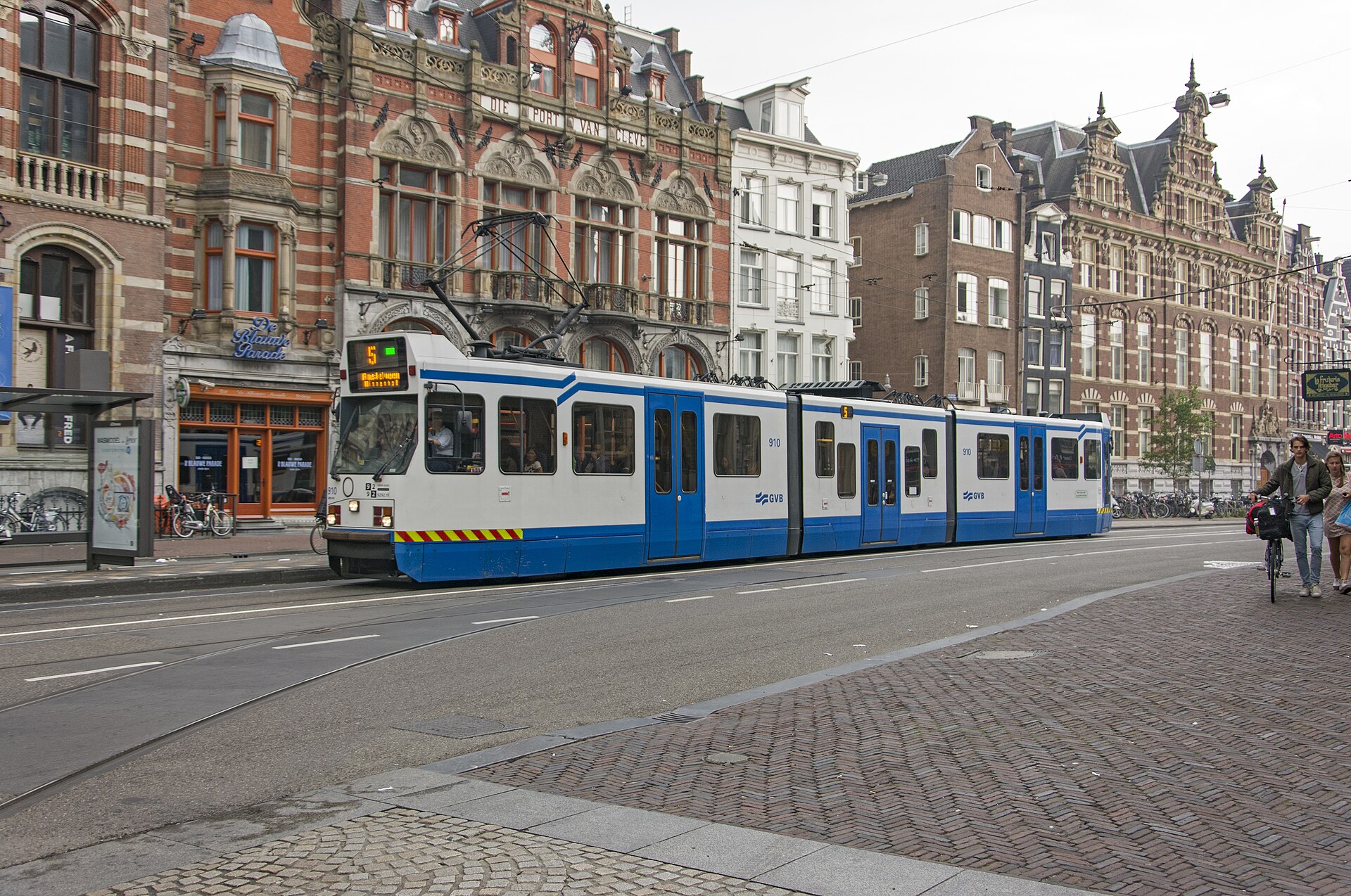
- Trams - 17 lines, the backbone of the centre. They go almost everywhere a visitor wants.
- Metro - 5 lines, fast and useful for longer hops. Line 52 (the North/South line) runs under the centre and is the quickest way between Noord, Centraal and the south.
- Buses - fill in the gaps, plus 11 night buses after the trams stop.
- Ferries - free across the IJ behind Centraal Station, no ticket needed.
For routes and live times, the GVB website and the GVB app are reliable, and Google Maps works well here too.
How to pay: OVpay and contactless
This is the part that changed. Amsterdam now runs on OVpay, the national contactless system. You have three easy options:
- Contactless bank card or phone - tap any contactless Visa or Mastercard, or Apple Pay / Google Pay, on the pink-and-grey reader. This is what most visitors should do.
- The GVB app - buy a 1-hour or day ticket and scan a barcode.
- A paper ticket - bought from the conductor on a tram, a machine, or the GVB service points.
Tap in when you board and tap out when you leave. Both. If you forget to tap out you get charged a high default fare.
The old anonymous OV-chipkaart is being retired - it disappears entirely by 2027 - so do not buy one. There is a new card called the OV-pas, but as a visitor you do not need it. Contactless covers everything.
What it costs in 2026
Rough prices for GVB city transport:
- 1-hour ticket: about €3.40, unlimited transfers within the hour
- 24-hour ticket: about €10
- Multi-day tickets: roughly €16 for 48 hours, €21.50 for 72 hours, up to €43 for a week
- Night bus single: about €5.70
If you tap a contactless card per journey, OVpay applies a daily cap of around €10.50 - so even if you ride all day, you are never charged more than a day ticket's worth. That makes "just tap your card" the no-brainer choice for most visitors: no decision, no overpaying.
A day ticket only wins if several people are sharing one ticket, or if you want a fixed cost up front.
One card per person
The single most common mistake: a couple or family trying to tap one bank card for everyone. The reader counts one traveller per card, so each person needs their own card or phone. If you do not have enough contactless cards to go around, buy paper or app tickets for the rest of the group, or get a shared multi-use day ticket from a machine, which can be tapped for several people.
Trams: how to actually ride one
A few practical notes that are not obvious on day one:
- Board through any door. Tap the reader as you step on.
- Tap out at a reader by the door before you step off.
- Press the stop button in good time - trams do not stop at every stop automatically.
- Trams have right of way over almost everything, including pedestrians and cyclists. Look before you cross tracks.
- Most lines run roughly 06:00 to around midnight. After that, switch to night buses.
Getting to and from the airport
City GVB tickets do not cover the train or the airport bus. Schiphol is reached by NS train (about 14-17 minutes to Centraal) or the 397 Airport Express bus. We cover those options in detail in our separate Schiphol transfer guide - the short version is that the train is fastest and the contactless tap works there too, on a separate NS fare.
The honest summary
For a few days in Amsterdam, you do not need to think hard. Bring a contactless card or set up Apple Pay, tap in, tap out, and let the daily cap protect you. Walk when it is dry, take the tram when it is not, and use the metro for longer crossings. That is the entire system.
For getting around under your own steam, see our guide to cycling Amsterdam as a visitor. If you fancy leaving the city for the day, the same contactless tap works on the trains in our day trips from Amsterdam by train guide.