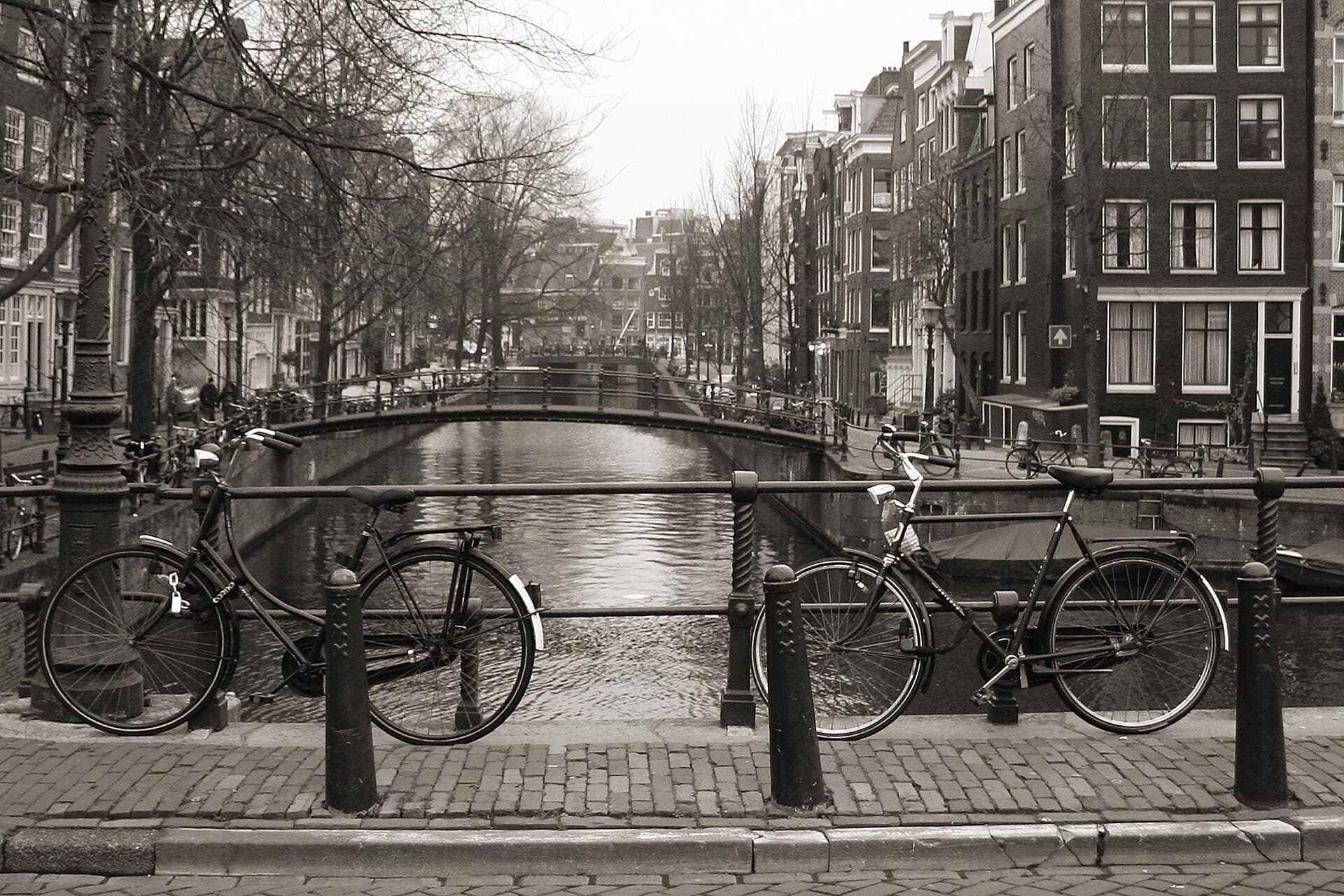
Cycling is how Amsterdam actually moves. There are more bikes than people, dedicated lanes on most streets, and a flat city you can cross in 20 minutes. For a visitor it is genuinely one of the best ways to see the place - but it is not a theme-park ride. Locals treat their bike lanes as roads, and they expect you to know what you are doing.
Here is how to rent, ride and not get yelled at.
Where to rent
Rental shops cluster near Centraal Station, Leidseplein and Dam Square. A few notes:
- Established shops like MacBike and Black Bikes have multiple branches, English-speaking staff and clear daily rates.
- Expect to pay roughly €12-18 a day for a basic coaster-brake city bike, less per day if you rent for several days.
- Many tourist bikes are a bright, obvious colour - useful for the shop, and frankly fine, ignore anyone who says it marks you as a target.
- Check before you leave: working front and rear lights, two locks, brakes that bite, a bell, and a saddle at the right height.
If the idea of city traffic worries you, a guided bike tour is a gentle way to learn the rhythm before you go solo.
The rules locals expect you to know
Dutch cycling runs on shared, predictable behaviour. Break it and you create danger for everyone:
- Use the bike lane (fietspad) - the red asphalt strip with a white bike symbol. Do not ride on the pavement or in the tram lane.
- Keep right so faster riders can overtake on your left.
- Obey traffic lights, including the separate small bicycle lights at junctions.
- Traffic from the right has priority at unmarked junctions - this is strictly applied.
- Signal your turns with an outstretched arm, and look over your shoulder first.
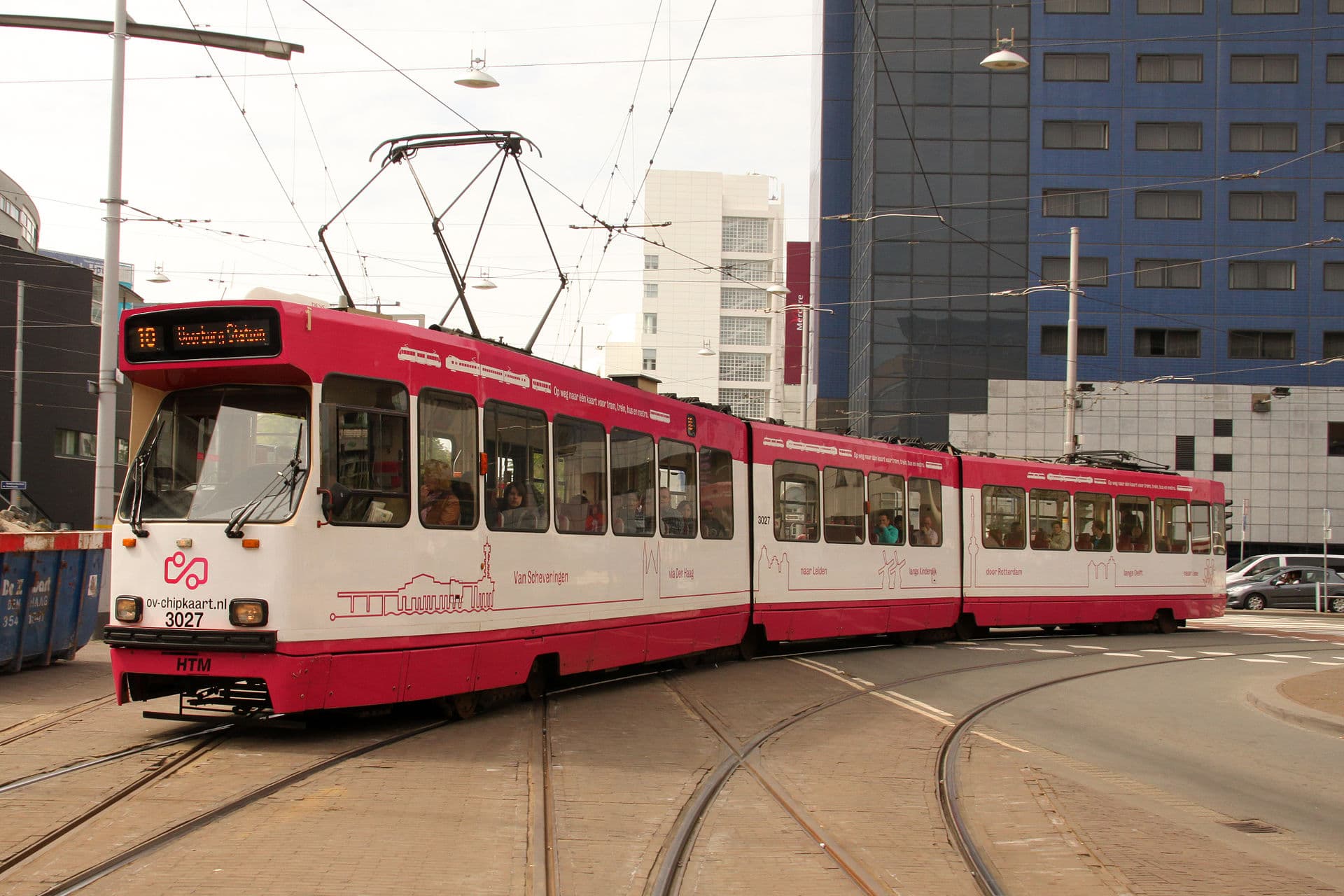
- Trams always win. Give way to them and never race a tram to a junction.
Phones are off-limits: using a handheld phone while cycling carries a fine of around €170. Cycling without lights at night is about €75, and running a red light around €120. The police do hand these out.
Tram tracks and other hazards
The single most common tourist accident is a wheel caught in a tram rail. The fix is simple: always cross tracks at a sharp angle, as close to 90 degrees as you can manage, and never ride along a groove.
A few more things that catch visitors out:
- Car doors - ride a little wider of parked cars than feels natural.
- Scooters in the bike lane - some are fast; let them pass.
- Pedestrians, especially other tourists, stepping into the bike lane while looking at phones. Ring your bell early.
- Right-turning vehicles crossing your path - make eye contact at junctions.
If you are unsure, slow down and stay right. Hesitating in the middle of a busy lane is what causes problems, not riding slowly at the edge.
Locking up - bike theft is real
Amsterdam bike theft is a genuine industry. Your rental shop should give you two locks - use both: a frame lock through the back wheel, and a chain or D-lock fixing the frame to a fixed object.
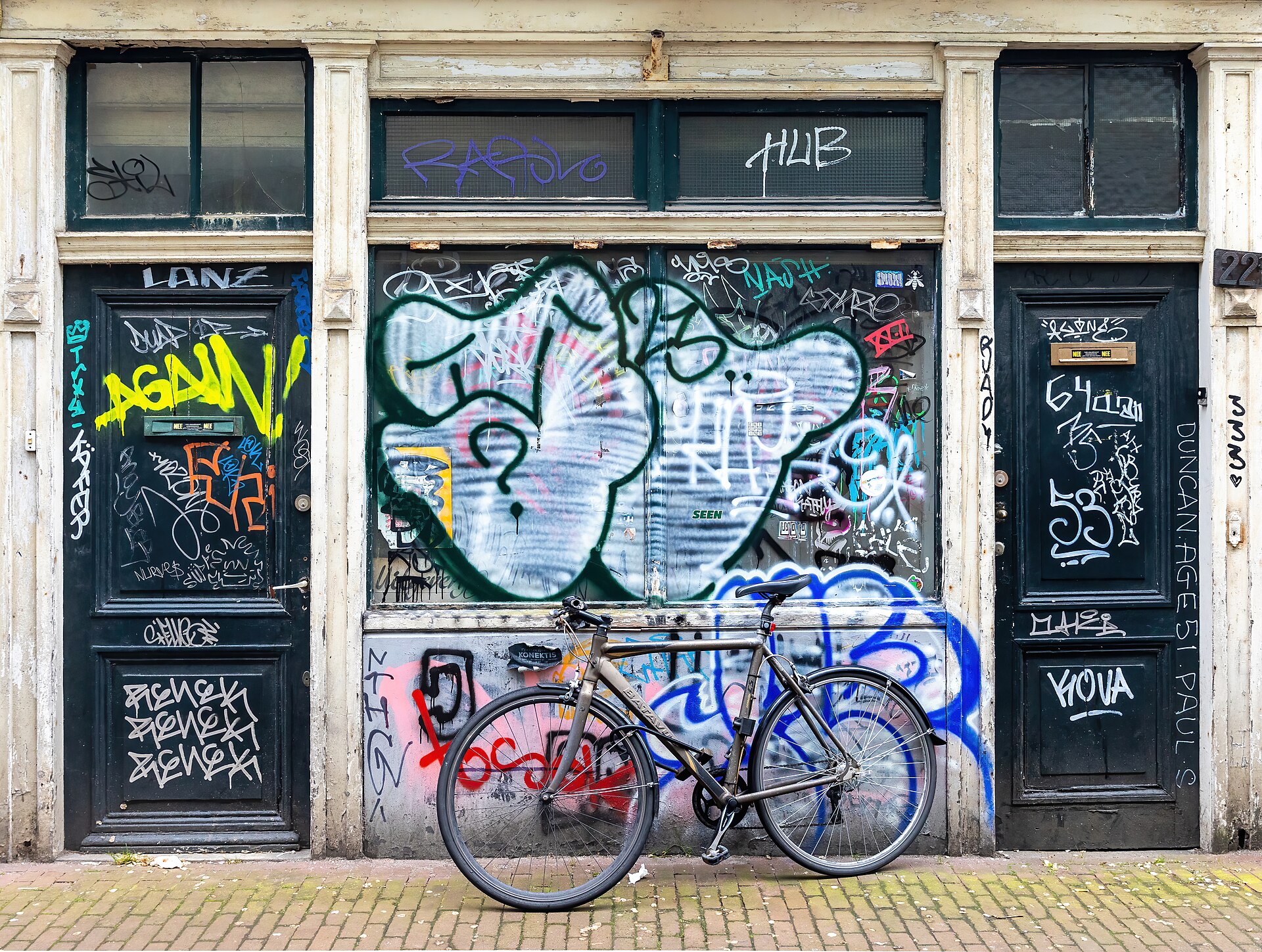
- Lock to a bike rack or designated stand, never to a tree, bridge railing or lamppost - the city removes and impounds bikes parked wrongly.
- Around Centraal Station, use the large guarded or underground bike parking.
- If a rented bike is stolen, you are usually liable for at least part of the cost, so read the rental agreement.
Where it is most enjoyable
For a relaxed first ride, skip the tight, crowded canal-belt streets and head for:
- Vondelpark - car-free, wide paths, gentle pace
- Amsterdam-Noord - take the free ferry across and ride the quiet waterside paths
- The Amstel river south of the centre - open, scenic and calm
- Westerpark and the Westergas area - leafy and low-stress
Save the narrow centre for once you have found your confidence.
If the weather turns, see our guide to what to do in Amsterdam when it rains. For getting around without a bike, our trams, metro and buses guide covers how the public transport system works.
The honest verdict
Cycling in Amsterdam is brilliant, and it is safe enough for any reasonably confident adult who respects the rules. Treat the bike lane as a real road, watch the tram tracks, lock up properly, and you will see more of the city in an afternoon than you would in a day on foot. Just do not drift, do not stop dead in the lane, and do not look at your phone.