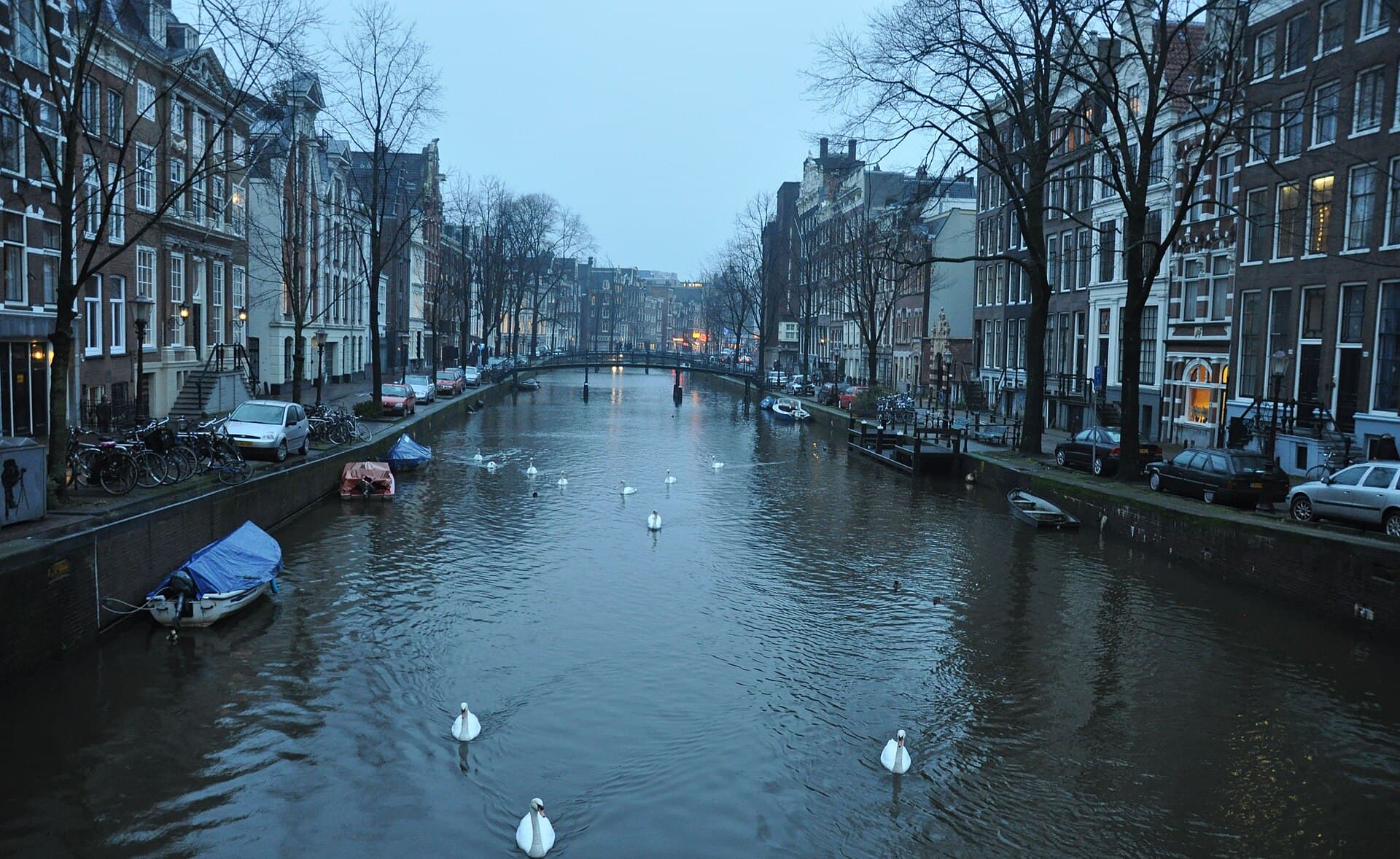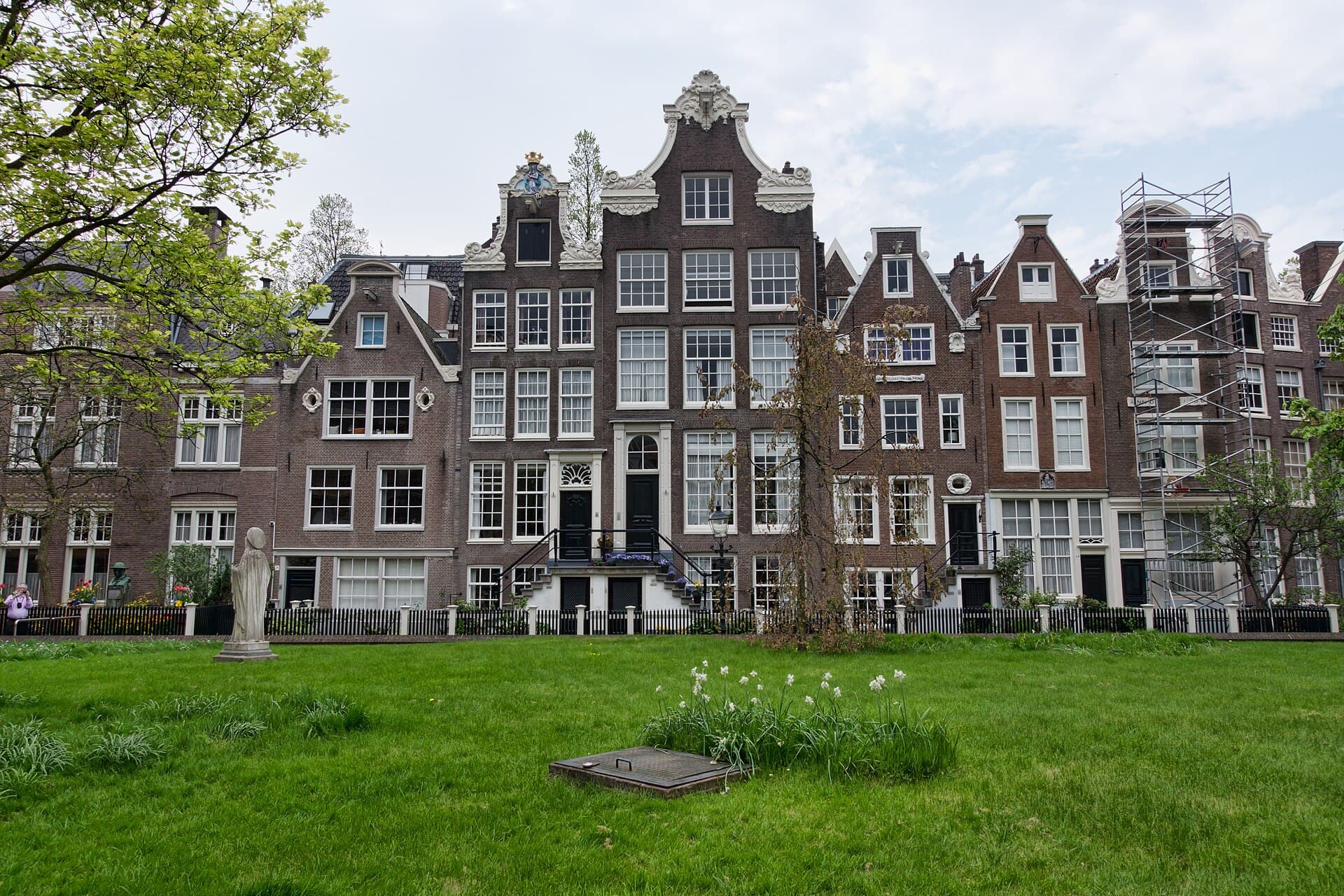
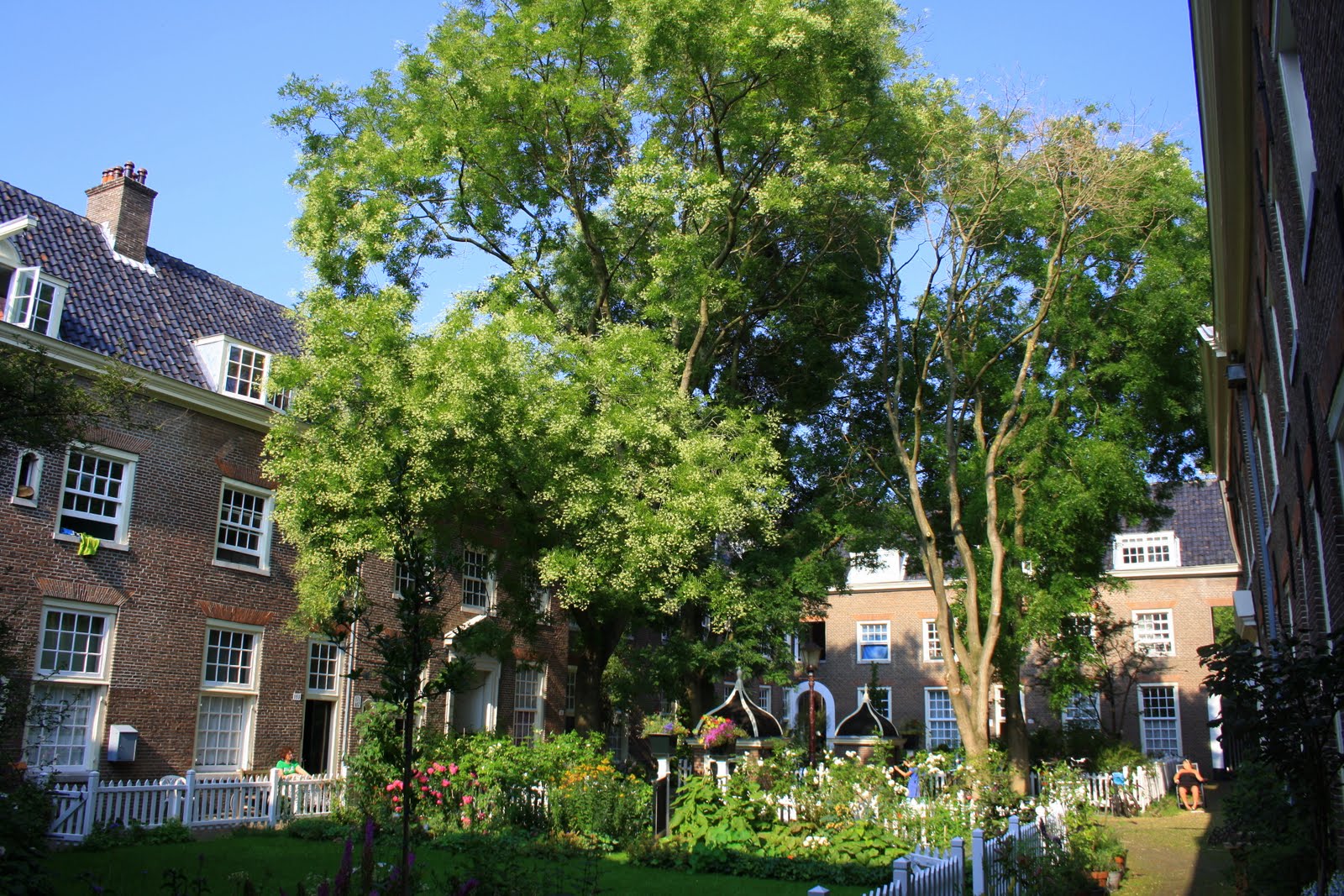
Amsterdam has more than 40 hofjes - courtyards ringed by tiny almshouses, built between the 1300s and 1800s as charitable housing. Most sit behind plain doors on ordinary streets, and most visitors never realize they are there. Walk through the right doorway and the noise of the city drops away in a single step.
Here are seven worth seeking out, with the etiquette to visit them without disturbing the people who still live there.
1. Begijnhof
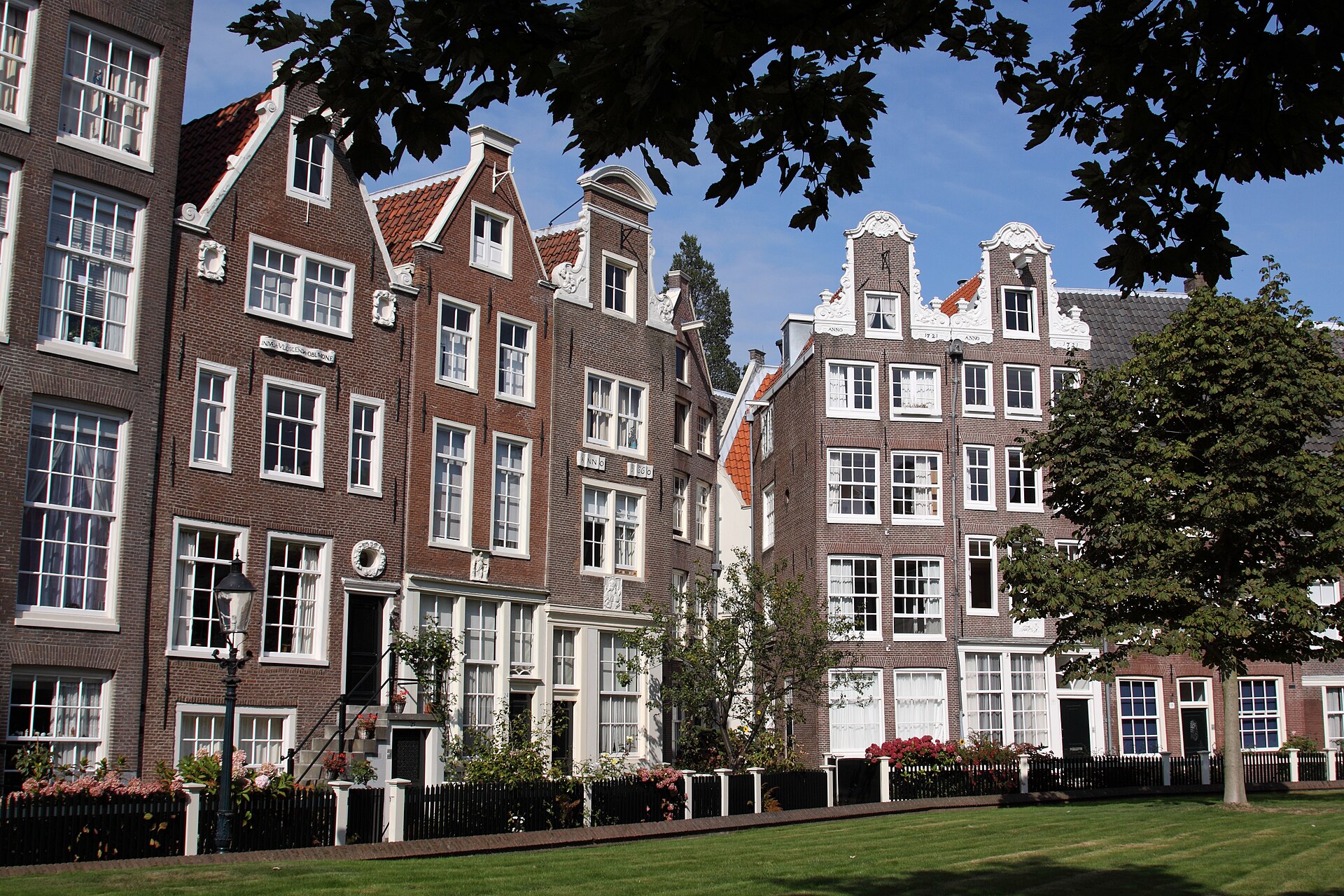
The most famous and the most central - entered from a small archway off the Spui. The Begijnhof dates to the 14th century and contains Amsterdam's oldest surviving wooden house. It is also the busiest, so come early (it opens around 9:00) if you want it quiet.
2. Sint Andrieshofje
Tucked into the Jordaan on the Egelantiersgracht, the Sint Andrieshofje is from 1617 and has a beautiful tiled entrance hallway. The garden inside is small and immaculate.
3. Karthuizerhof
Larger than most, on the Karthuizersstraat. Built in 1650 on the site of a former Carthusian monastery. Two old water pumps still stand in the courtyard.
4. Claes Claeszhofje
A cluster of small courtyards near the Egelantiersstraat, now partly used as housing for music students - so on a good day you might hear someone practising as you walk through.
5. Suykerhofje
On the Lindengracht, dating to 1670. The garden is one of the lushest of all the Jordaan hofjes.
6. Van Brienenhofje
Also on the Prinsengracht. Founded in 1804 - relatively young as hofjes go - supposedly funded by a merchant in gratitude after surviving being locked in his own vault overnight.
7. Lindenhofje
A quiet, less-visited courtyard on the Lindengracht. Small, residential, easy to miss.
How to visit respectfully
People still live in these courtyards. A few rules keep them open to visitors:
- Visit during daytime hours only, roughly 10:00 to 17:00
- Keep your voice down - assume someone is home
- Do not photograph windows or front doors of occupied houses
- Do not picnic, smoke, or linger for long stretches
- If a door is closed, it is closed - do not push it open
Treated well, the hofjes are one of the best free things to do in Amsterdam. Treated badly, they get locked, and another quiet corner of the city disappears.
For more quiet, free corners of the city, see our guide to Amsterdam's parks beyond Vondelpark. Several of these hofjes cluster in the Jordaan and Amsterdam-Noord lies a short free ferry away - our half-day guide to Amsterdam-Noord covers what to do once you cross the IJ.